Journal
Reflections on the human mind.
Field notes, clinical observations and the occasional unguarded thought — from our team to anyone who is listening.

Child & Adolecent
12 Oct 2026
The Silent Struggle in Every Classroom: A Parent and Teacher’s Guide to School Children’s Mental Health
Behind every distracted student, every child who suddenly stops eating lunch with friends, every teenager who used to love school and now refuses to go, there is usually a story that nobody has asked about yet. This is a guide for parents and teachers who want to understand, identify, and help.
Read article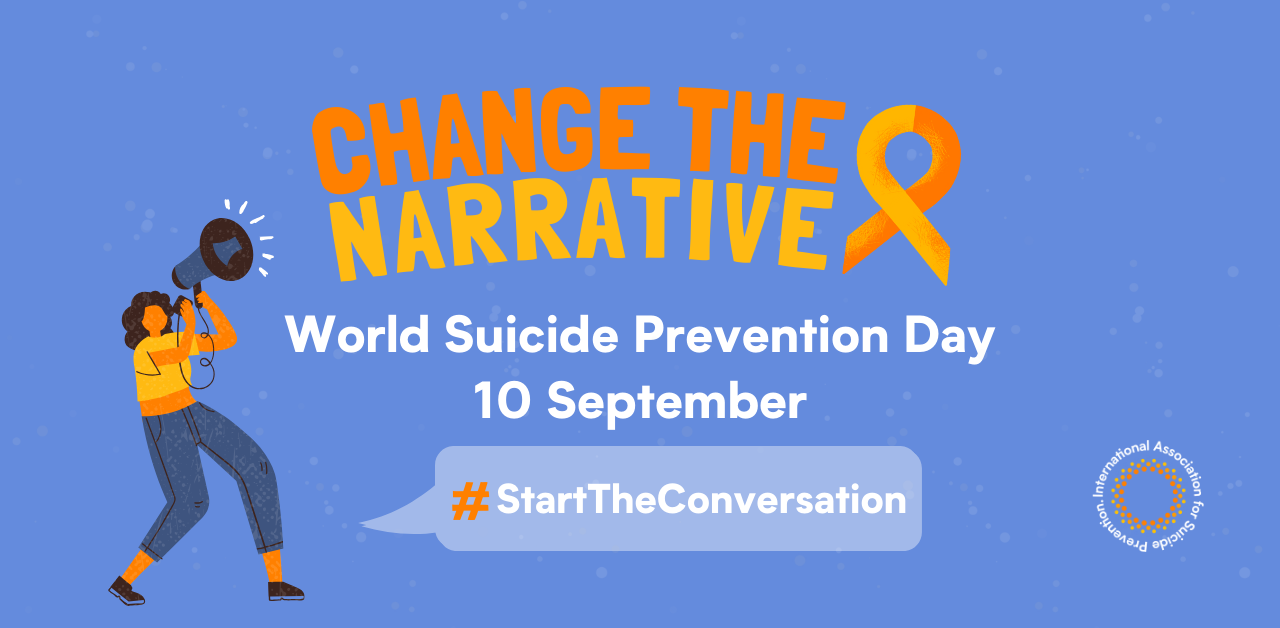
Mental Health
28 Sept 2026
On World Suicide Prevention Day — Start the Conversation. It Can Save a Life.
Every year on September 10th, the world pauses to talk about something most of us spend the rest of the year avoiding. This World Suicide Prevention Day, we want to say something clearly — suicidal thoughts are not a character flaw, not a sin, and not a permanent state. They are a symptom of a treatable condition. And the conversation you're afraid to start might be the one that saves someone you love.
Read article
Deaddiction
24 Aug 2026
The Bhavnagar Hooch Tragedy (Lattha kand): What Methanol Does to the Body — And the Addiction Crisis Behind Every Illicit Drink
Our city is grieving. Families have lost people they loved. But behind every tragedy like this one, there is a story that rarely gets told — of dependency, of desperation, and of a condition that medicine can treat, if only we give it the chance.
Read article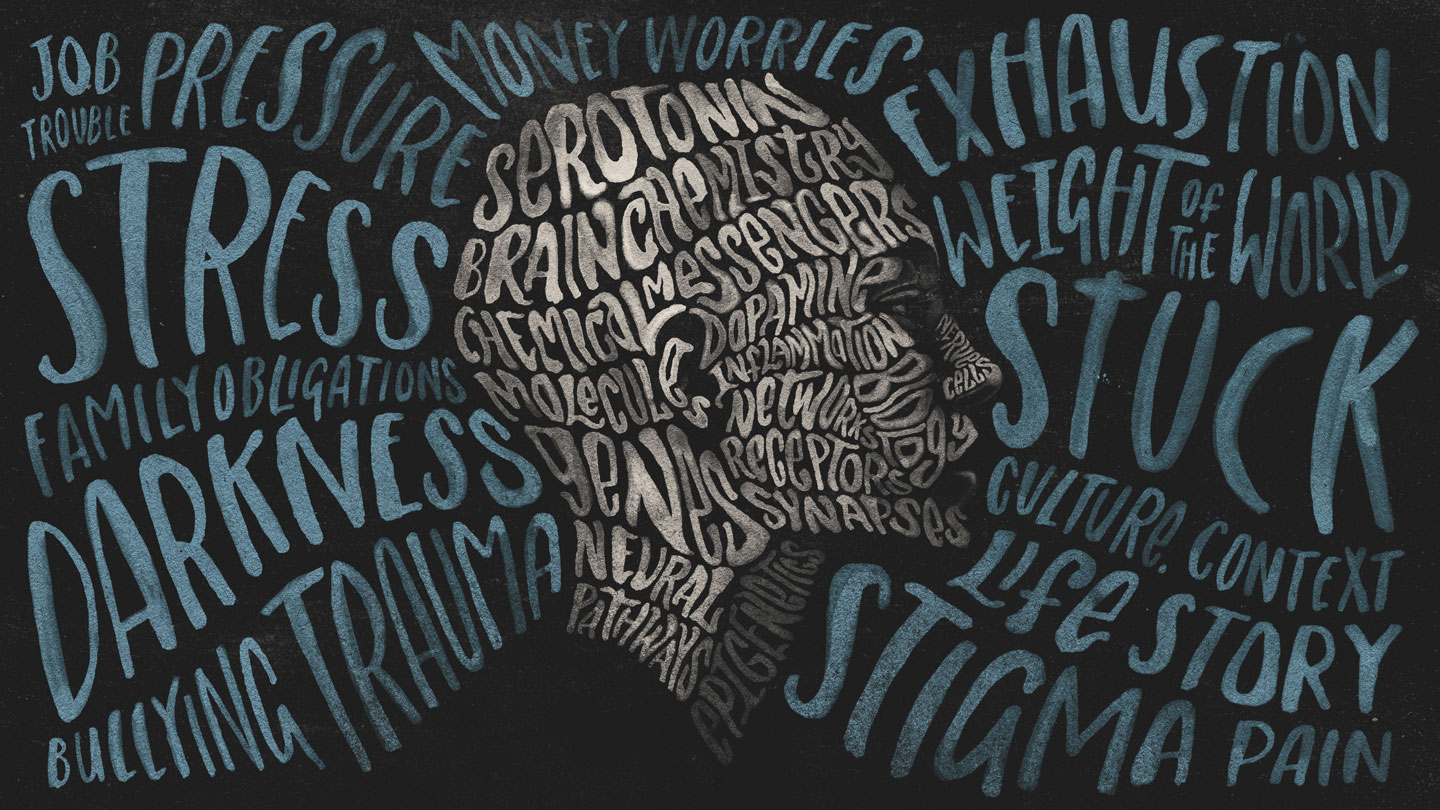
Mental Health
31 Jul 2026
"Don't Take Tension" Isn't a Treatment — What People with Depression Actually Need to Hear
If you've been told to "just stay positive" or "stop overthinking" and you're still not okay, this blog is for you. Depression isn't a mindset problem. And you deserve more than advice that sounds helpful but changes nothing.
Read article
Child & Adolecent
14 Jul 2026
Understanding Emotional Attachment in Teenagers: When Is It Normal and When Should You Seek Help?
Your teenager is head over heels, barely sleeping, constantly on their phone, and the world outside this one relationship seems to have disappeared. Is this just first love, or is something else going on? Here's how to tell the difference, and what to do either way.
Read article
Interventional Psychiatry
8 Jul 2026
"Shock Treatment" Isn't What You Think — Understanding BPT and TMS
The words "shock treatment" still make most families flinch — and honestly, that's understandable. But what you've seen in old films and what actually happens in a modern neuropsychiatric hospital are two very different things. Here's the truth, explained simply.
Read article
Mental Health
1 Jul 2026
On World Doctors' Day, Let's Talk About the Mental Health of the People Who Care for Ours
Doctors are trained to heal everyone else. But who takes care of them? On World Doctors' Day, we want to say something that doesn't get said nearly enough — it's okay to not be okay, even in a white coat.
Read article
Deaddiction
30 Jun 2026
How to Help a Family Member Who Won't Admit They Have a Drinking Problem
Watching someone you love drink themselves into trouble while insisting "everything is fine" is one of the loneliest experiences a family can go through. Here's what actually helps — and what doesn't.
Read article
Neuropsychiatry
14 May 2026
Migraine: A Neuropsychiatric Perspective
Migraine is not 'just a headache' — it is a neurological disorder, often co-existing with depression, anxiety and sleep dysregulation.
Read article
Neuropsychiatry
14 May 2026
Schizophrenia: Rewriting the Story of a Misunderstood Illness
Schizophrenia is one of the most stigmatised conditions in medicine — and one of the most responsive when treated early and consistently.
Read article
Mental Health
14 May 2026
Insomnia: The Hidden Cost of a Bad Night
Chronic insomnia is not just inconvenient — it is a clinical condition that disturbs mood, cognition, immunity and cardiovascular health.
Read article
Mental Health
14 May 2026
Bipolar Mood Disorder: The Two Faces of Mood
Bipolar disorder is far more than mood swings — it is a treatable, lifelong condition that responds beautifully to thoughtful, sustained care.
Read article
Mental Health
14 May 2026
Panic Disorder: When the Body's Alarm Keeps Ringing
Panic attacks feel like heart attacks — racing pulse, breathlessness, a sense of impending doom — but they are treatable, and you are not alone.
Read article
Child & Adolescent
14 May 2026
Child Psychiatry: Why Listening to Young Minds Early Matters
Half of all lifetime mental illness begins before age 14. Early, gentle psychiatric care can change a child's entire trajectory.
Read article
Sex Therapy
14 May 2026
Psychosexual Disorders: Breaking the Silence Around Intimate Health
Sexual health is health. Yet shame keeps millions away from treatment for conditions that are medical, common and highly treatable.
Read article
Deaddiction
14 May 2026
Deaddiction: What Really Matters in the First 90 Days
Recovery is built one honest day at a time. Here's what evidence and clinical experience tell us about the early weeks.
Read article
Neuromodulation
14 May 2026
rTMS: The Future of Treatment-Resistant Depression
Repetitive Transcranial Magnetic Stimulation is changing the way clinicians address depression that does not respond to medication.
Read article
Mental Health
14 May 2026
Understanding Depression: The Quietest Epidemic of Our Time
Depression is more than sadness — it's a medical condition that deserves clinical attention, empathy and modern treatment.
Read article