Schizophrenia & Psychosis · OPD & Inpatient
It is an illness of the brain, not of the soul.
Schizophrenia and related psychotic illnesses change how the brain processes reality — producing voices, fixed false beliefs and withdrawal. It is not caused by black magic, curses, bad karma or a moral failing, and it does not improve with exorcism or bhuva treatment. It responds to medication, and the earlier treatment begins the better the long-term outcome. Many of our patients return to work, study and family life.
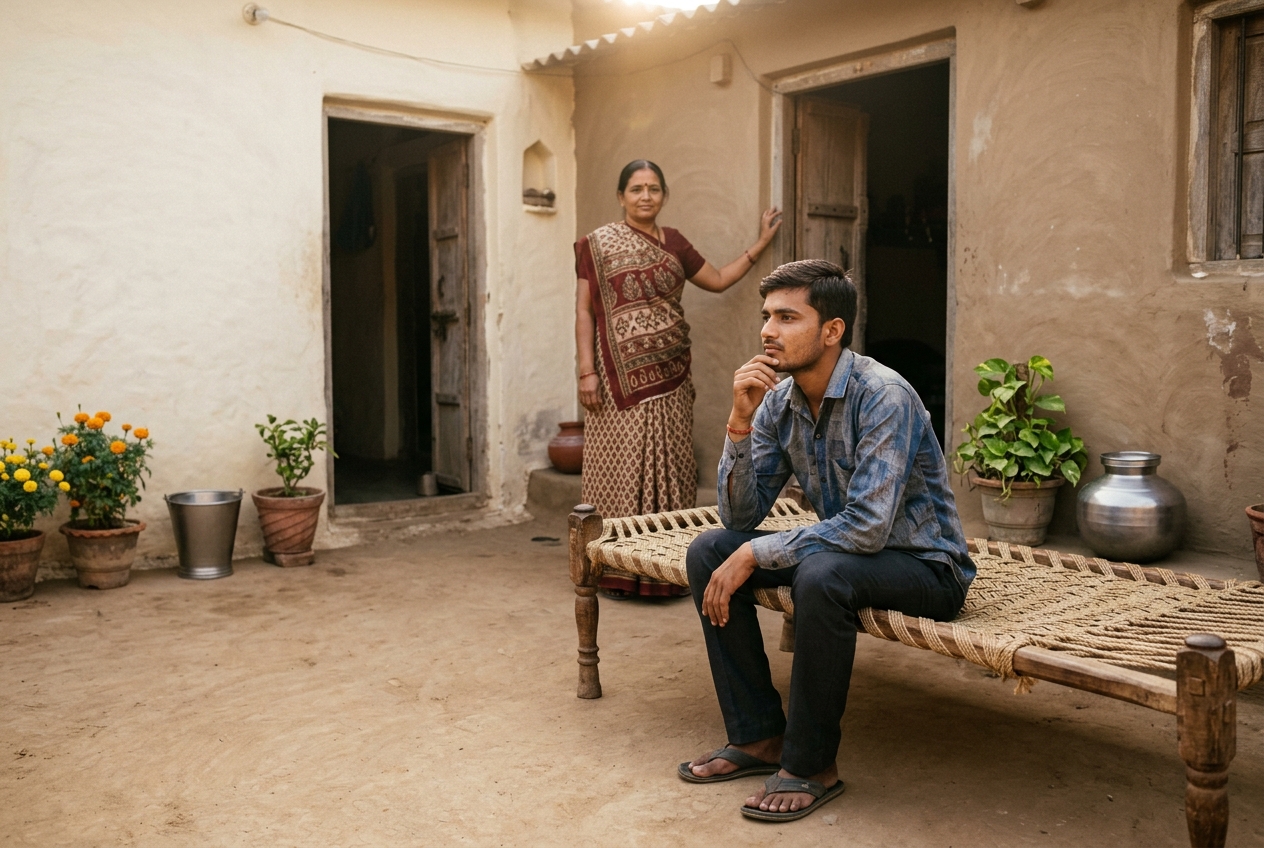
Manas Neuropsychiatry Hospital · Bhavnagar
Every year of untreated psychosis costs recovery. The first year of treatment decides the next twenty.
Symptoms
How it actually shows up.
Positive symptoms
- Hearing voices when nobody is present
- Firm belief that people are conspiring, poisoning food or watching
- Belief that thoughts are being controlled, read or broadcast
- Talking or laughing to oneself
- Disorganised, jumbled speech that is hard to follow
- Agitation or aggression arising from fear and suspicion
Negative symptoms & decline
- Withdrawal from friends, work and family conversation
- Loss of interest, initiative and emotional expression
- Neglect of bathing, clothing and grooming
- Sleeping by day, awake at night
- Falling academic or work performance over months
- Poor insight — genuinely not believing anything is wrong
Why it happens
Causes we look for before prescribing.
- Genetic vulnerability, often with a family history of mental illness
- Cannabis (ganja/charas) and stimulant use, which can precipitate and worsen psychosis
- Brain development factors, birth complications and head injury
- Severe or prolonged stress acting as a trigger in a vulnerable person
- Physical mimics we always rule out: thyroid disease, B12 deficiency, epilepsy, steroid effects, brain infections and tumours
Our treatment approach
What treatment at Manas actually involves.
Assessment, and excluding physical causes
Detailed history from the patient and family, mental state examination, and blood or imaging tests where the presentation suggests a medical cause. Getting this right changes everything that follows.
Antipsychotic medication
Started at the lowest effective dose with side-effects explained in advance. Voices and suspiciousness usually settle over 2–6 weeks; negative symptoms improve more slowly.
Long-acting injectables
For patients who stop tablets when they feel better — the commonest cause of relapse — a once-monthly injection quietly protects recovery and ends the daily argument at home.
Family psychoeducation
Families learn what is illness and what is behaviour, how to respond to delusions without arguing, how to reduce criticism at home, and how to spot an early relapse.
Rehabilitation & return to work
Structured daily routine, social-skills work and graded return to study or occupation, so recovery means a life, not just quieter symptoms.
Brief admission or mBPT when needed
Severe agitation, refusal to eat, catatonia or suicide risk may need short inpatient care and, rarely, modified brief pulse therapy under anaesthesia.
See mBPT & rTMSPlease read this
If the patient is refusing food and water, is threatening self-harm or has become violent out of fear, do not wait for a 'good day' — call +91 94275 60101 for urgent assessment.
Frequently asked
Questions we are asked every week.
Treatment begins with one consultation.
OPD Mon – Sat, 9 AM – 8 PM at Kalanala, Bhavnagar. No referral needed. Emergency support 24×7.