Depression Treatment · OPD
Depression is not weakness. It is treatable.
Depression is a medical illness of mood, sleep, energy and thought — not a character flaw and not something a person can simply decide to stop. It responds well to treatment: the majority of patients we see in OPD are substantially better within six to eight weeks, and most eventually stop medication altogether under supervision.
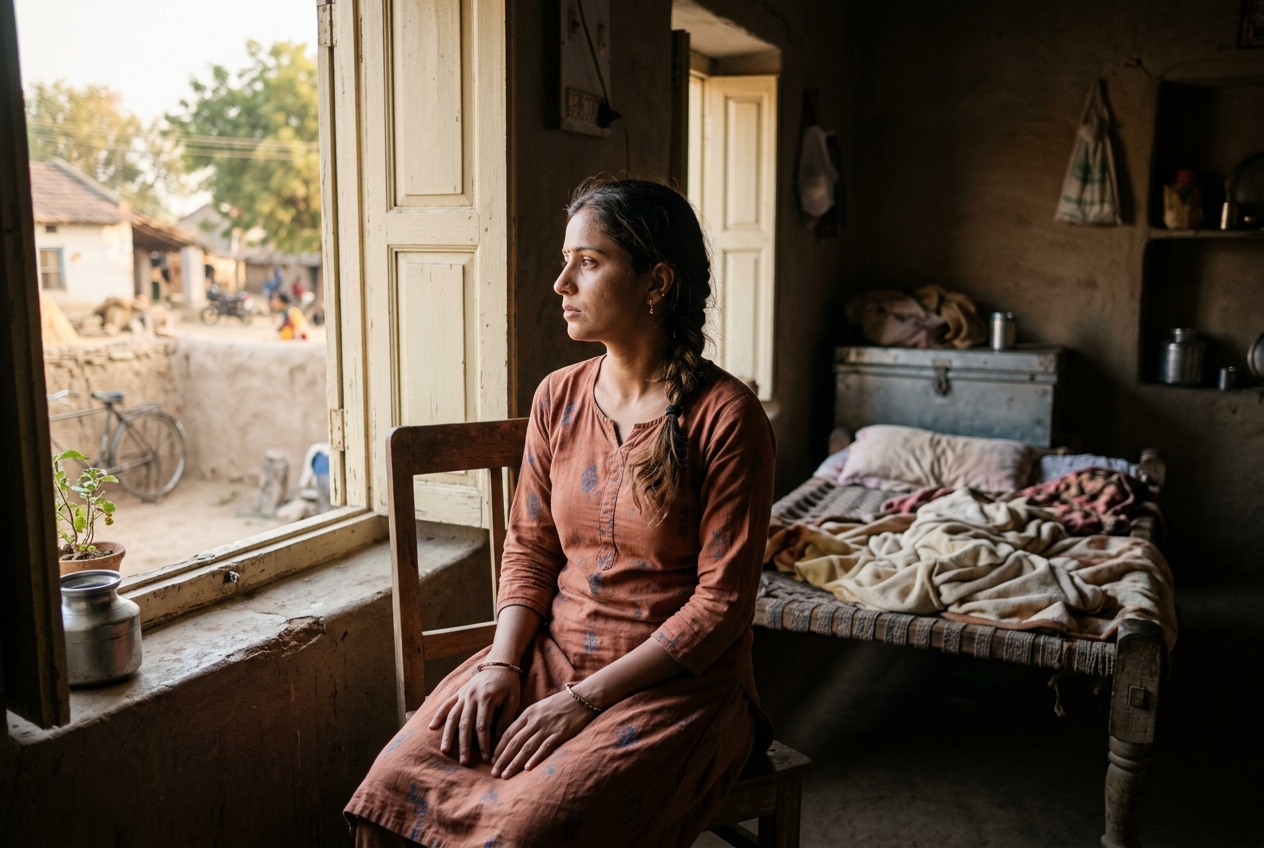
Manas Neuropsychiatry Hospital · Bhavnagar
Around one in twenty adults has depression in any given year. Most recover fully with treatment.
Symptoms
How it actually shows up.
Mood & thought
- Low mood most of the day, most days
- Loss of interest in work, family and things once enjoyed
- Persistent guilt, self-blame or feeling a burden
- Hopelessness about the future
- Thoughts of death, self-harm or suicide
Body & behaviour
- Waking at 3–4 AM and being unable to sleep again, or sleeping excessively
- Loss of appetite and weight, or comfort-eating
- Constant fatigue, heaviness in the limbs
- Body aches, headache and stomach complaints with normal reports
- Slowed speech and movement, or restlessness
- Withdrawal from relatives, phone calls and social occasions
Why it happens
Causes we look for before prescribing.
- Family history of depression or bipolar disorder
- Thyroid disease, vitamin B12 or D deficiency, anaemia, diabetes and post-viral states
- Alcohol and cannabis use — a very common and reversible cause
- Chronic stress: financial loss, examination failure, marital conflict, caregiving burden
- Bereavement, migration or retirement
- Post-partum period, and medications such as steroids or some blood-pressure drugs
Our treatment approach
What treatment at Manas actually involves.
Assessment, and ruling out physical causes
A 45–60 minute consultation with a structured severity assessment, plus blood tests for thyroid, haemoglobin, sugar and B12 where indicated — because treating a thyroid problem as depression helps nobody.
Antidepressant medication where indicated
Modern antidepressants (SSRIs/SNRIs) are not sedatives, are not addictive, and are usually taken for 6–12 months and then tapered. Dose, side-effects and duration are explained before you start.
Cognitive Behavioural Therapy (CBT)
Structured sessions that change the thought patterns and avoidance keeping the depression in place. For mild depression, therapy alone is often enough.
Behavioural activation & sleep correction
Small, specific daily targets and a fixed sleep-wake routine — the least glamorous and most reliably effective part of recovery.
Family psychoeducation
Relatives are taught what depression is and what unhelpful advice sounds like. Family support changes outcomes measurably.
rTMS or ketamine for treatment-resistant depression
If two adequate medication trials have failed, we offer FDA-approved rTMS and, in severe or suicidal cases, ketamine infusion — in our own neuromodulation suite in Bhavnagar.
Explore neuromodulationPlease read this
If you or someone you know is talking about suicide, giving away belongings, or has already attempted self-harm, treat it as a medical emergency. Call +91 94275 60101 for same-day assessment.
Frequently asked
Questions we are asked every week.
Treatment begins with one consultation.
OPD Mon – Sat, 9 AM – 8 PM at Kalanala, Bhavnagar. No referral needed. Emergency support 24×7.