Naltrexone Implant · Deaddiction
One implant. Months without the daily fight.
Naltrexone blocks the opioid receptors that alcohol and opioids act on, so using them no longer produces the expected effect — and craving fades. The problem with naltrexone tablets has never been efficacy; it is that a patient in craving simply stops taking them. A slow-release implant placed under the skin removes that daily decision altogether and protects the first, most dangerous months after detoxification.
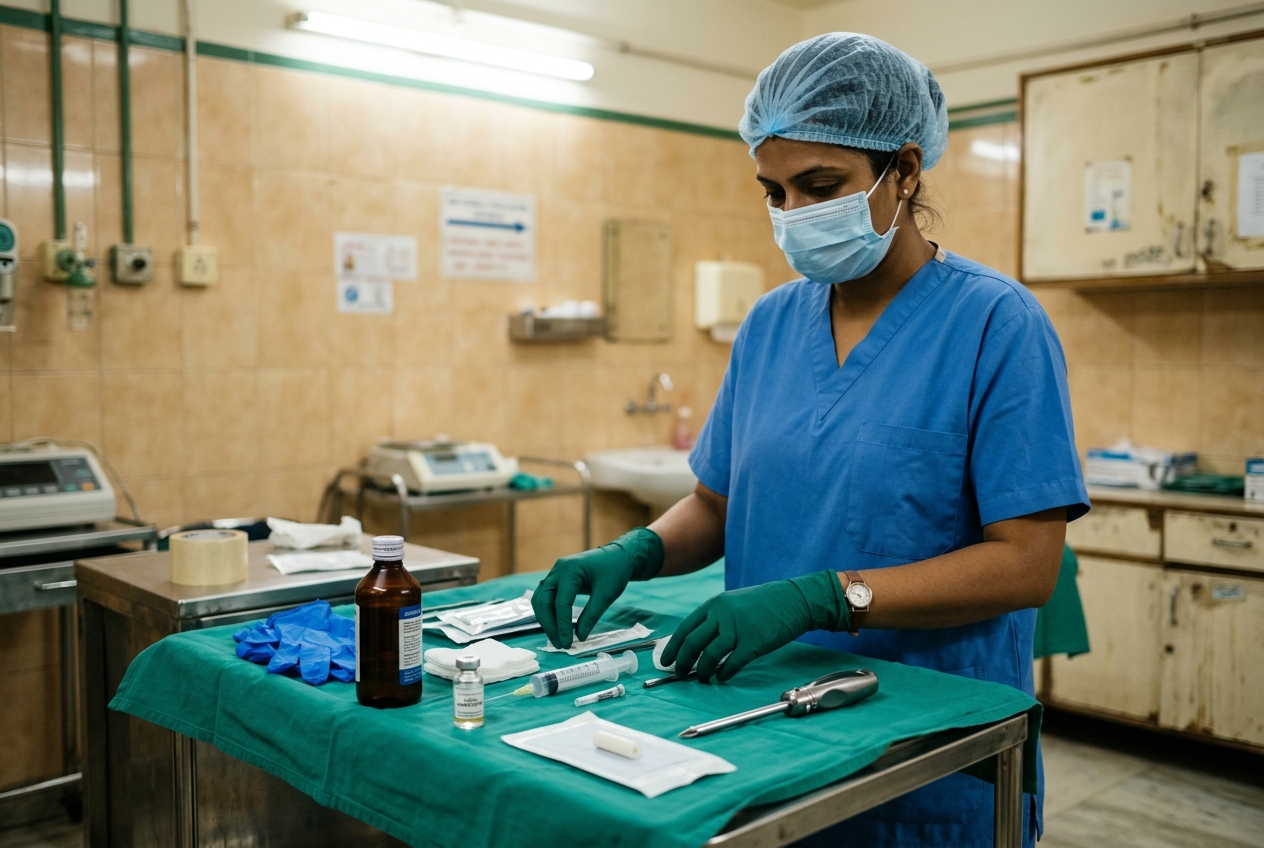
Neuromodulation Suite · Bhavnagar
A 20-minute minor procedure under local anaesthesia, then months of steady protection.
How it works
The science, without the mystery.
The receptor is occupied, so the reward is absent
Naltrexone is an opioid antagonist. With the receptor blocked, a drink or a dose does not deliver its usual reward, and the learned loop of craving and relief begins to break.
Slow, steady release for months
The implant sits in the fat layer of the lower abdominal wall and releases naltrexone continuously, holding a therapeutic level for several months — no peaks, no missed doses, no daily negotiation with yourself.
Adherence is the real mechanism
Relapse in the first six months is overwhelmingly a story of stopped medication. An implant cannot be skipped in a bad moment, which is why it changes outcomes so noticeably.
Who it is for
Where this treatment genuinely helps.
Who benefits most
- Alcohol dependence with repeated relapse after detoxification
- Opioid dependence — heroin, tramadol, injectable or prescription opioids
- Patients who have repeatedly stopped their oral naltrexone
- High-risk post-detox phase, especially the first three to six months
- Patients living away from family supervision or working outstation
Non-negotiable prerequisites
- Fully detoxified and opioid-free — 7 to 10 days for short-acting opioids, longer for others
- A negative urine screen and, where needed, a naloxone challenge before insertion
- Normal liver function on blood testing
- The patient's own informed consent — this is never done covertly on family request
- Agreement to continue counselling and follow-up, not the implant alone
- A written medical alert card in case of emergency surgery or injury
What a course looks like
Step by step, start to finish.
- 01
Detox first
Supervised withdrawal management in OPD or as inpatient. Inserting an implant in someone who is not fully opioid-free precipitates severe withdrawal, so this step is never rushed.
- 02
The insertion
A 20-minute minor sterile procedure under local anaesthesia in the lower abdominal wall, through a small incision closed with absorbable sutures. You go home the same day.
- 03
First fortnight
Wound review, simple dressing care, no swimming or heavy lifting, and a watch for local redness or swelling. Counselling begins immediately in parallel.
- 04
Months 1–6 and repeat
Monthly review with craving and liver monitoring. Where risk remains high, the implant is repeated — and where it does not, a transition to oral medication and therapy alone is planned.
Safety
Side-effects and limits, stated plainly.
Possible side-effects
- Local pain, bruising or swelling at the implant site for a few days
- Occasional local infection or delayed wound healing, needing review
- Nausea, headache or disturbed sleep in the first week
- Extrusion or migration of the implant, uncommon and easily managed
- A rise in liver enzymes, which is why liver function is checked before and during
When we will not do it
- Anyone not fully detoxified from opioids — this precipitates acute withdrawal
- Significant liver failure or acute hepatitis
- Need for ongoing opioid analgesia, such as cancer pain
- Pregnancy or breastfeeding
- Known naltrexone hypersensitivity, or active skin infection at the site
Please read this
Important safety warning: while an implant is in place, opioid painkillers will not work in an accident or emergency surgery — always carry your medical alert card and inform any treating doctor. Equally, attempting to override the block with a large dose of opioids is extremely dangerous, and tolerance falls sharply once the implant wears off, which is when overdose risk peaks. This is why follow-up matters as much as the implant.
Frequently asked
What patients and families always ask.
Find out if you are a candidate.
A 30-minute eligibility consultation at Kalanala, Bhavnagar. Honest answers, written costs, no pressure.