Acute Stress & Adjustment Disorders · OPD
Some storms need shelter, not a lifetime of tablets.
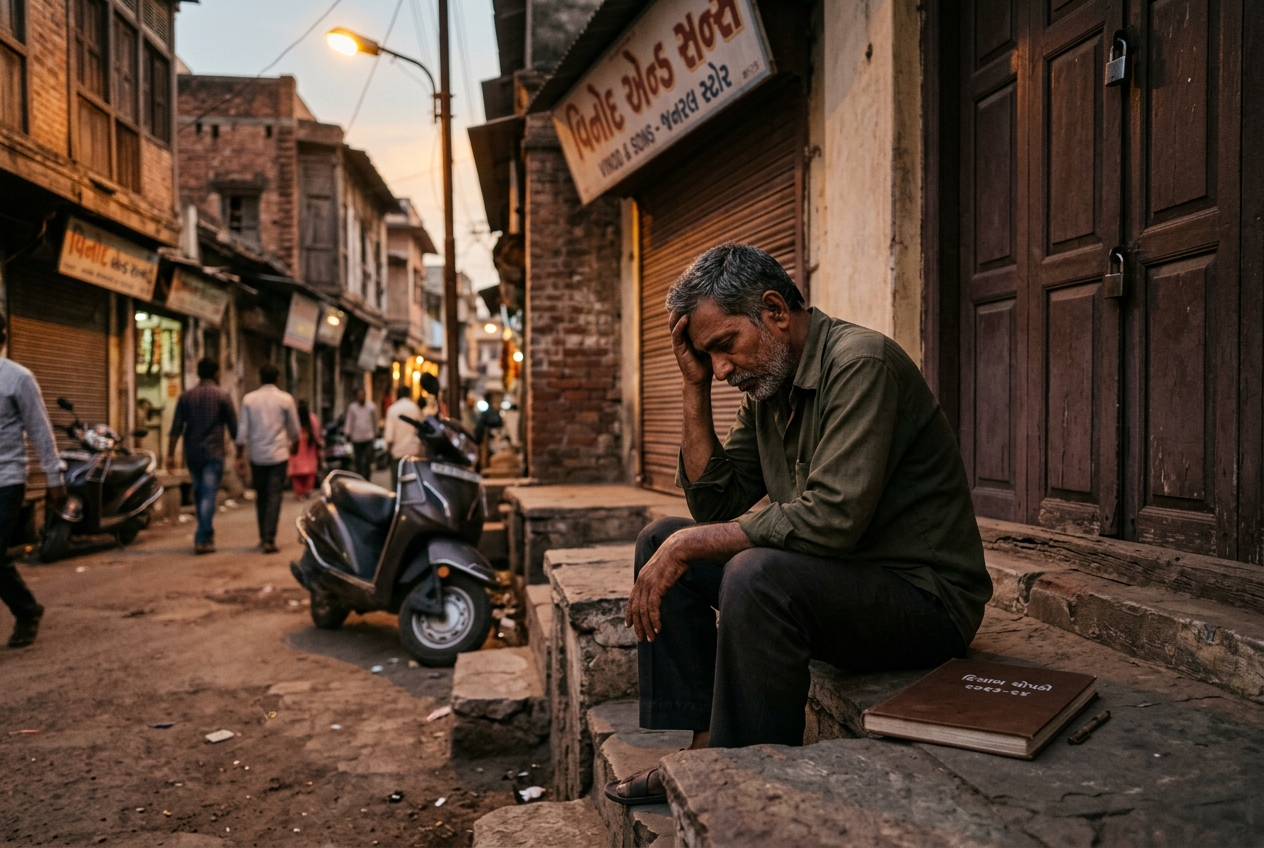
An adjustment disorder is an intense, disabling reaction to an identifiable life event — a death, a business loss, an accident, a failed examination, a broken engagement, migration, or retirement. It is not weakness, and it is also not a permanent illness. Treated early, it usually settles within weeks; ignored, it frequently hardens into depression, alcohol use or a chronic anxiety disorder.
Manas Neuropsychiatry Hospital · Bhavnagar
Most people with an adjustment disorder need a handful of visits — not years of treatment.
Symptoms
How it actually shows up.
Emotional
- Crying spells and a constant sense of dread
- Feeling unable to cope with routine work or household duties
- Repeatedly replaying the event in the mind
- Guilt or blame — 'I should have done something else'
- Irritability and short temper with family
- Hopelessness, and in some cases suicidal thoughts
Physical & behavioural
- Not sleeping or eating for days after the event
- Palpitations, tremor, headache, giddiness and acidity
- Avoiding the shop, road, hospital or person connected to the event
- Withdrawal from relatives, phone calls and social occasions
- Increased drinking, smoking or tobacco use to cope
- Absence from work, school or college
Why it happens
Causes we look for before prescribing.
- Bereavement and sudden death in the family
- Financial or business loss, debt and legal disputes
- Examination failure and academic pressure in students
- Marital conflict, separation, a broken engagement or dowry disputes
- Accidents, serious illness or surgery in self or a loved one
- Migration, job loss, transfer, retirement or an empty home after children leave
Our treatment approach
What treatment at Manas actually involves.
One good, unhurried conversation first
A 45–60 minute consultation in which the whole story is heard. For many patients, being properly listened to by a doctor who is not in a hurry is itself the beginning of treatment.
Brief, focused counselling
Problem-solving therapy and grief work over a few sessions — dealing with the actual problem in front of you rather than exploring your childhood.
Short-term medication where needed
Sleep restoration and anxiety relief for a few weeks. We are deliberately cautious with habit-forming tablets, and we plan the stopping date when we start.
Family and workplace support
Where appropriate, family members are guided on what helps and what makes it worse, and medical documentation is provided for leave from work or college.
Protecting against alcohol and tobacco
Stress is when drinking and tobacco quietly begin. We screen for it early, because an adjustment disorder that turns into dependence is a far longer road.
Deaddiction programmeReview, then discharge
Two or three follow-ups to confirm recovery, with a clear plan of what to watch for. The goal is to finish treatment, not to continue it.
Please read this
After a sudden loss or humiliation, any talk of suicide must be taken literally — this is when risk is highest. Call +91 94275 60101 the same day.
Frequently asked
Questions we are asked every week.
Treatment begins with one consultation.
OPD Mon – Sat, 9 AM – 8 PM at Kalanala, Bhavnagar. No referral needed. Emergency support 24×7.